 superfastcarpetcleaning@gmail.com


Residential Carpet Cleaning:
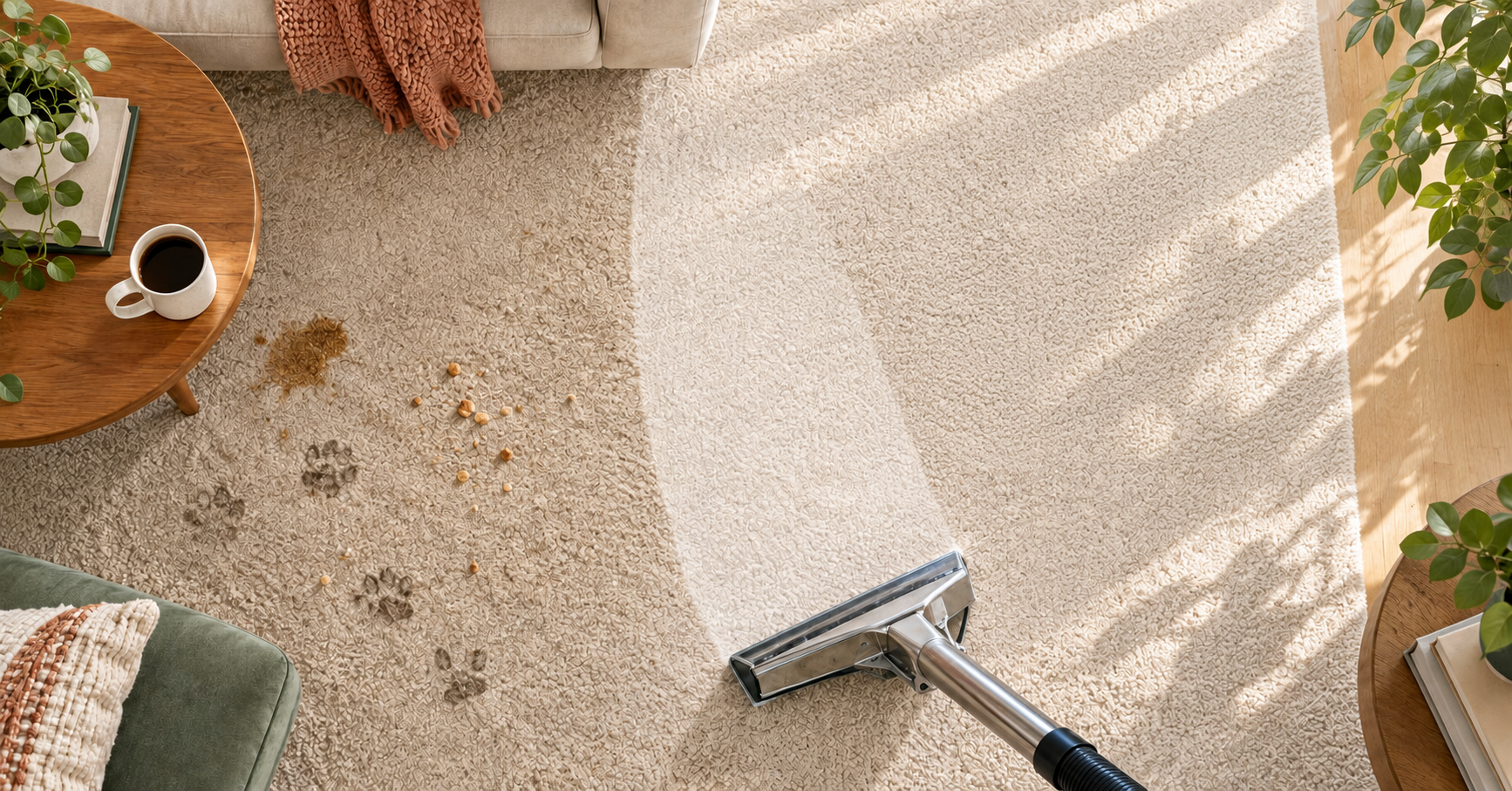
Carpets make a home feel warm and comfortable, but daily use brings dust, soil, spills and odours into the fibres. Vacuuming removes much of the loose surface dirt, yet it may not remove oily residue, old stains or soil held deeper in the carpet.
Residential carpet cleaning is a professional service for carpets in houses, apartments, rental homes and shared residential buildings. It may include fibre inspection, pre-vacuuming, stain treatment, steam cleaning, odour treatment and drying advice. The method should be chosen for the carpet rather than applied as a one-size-fits-all process.
This guide explains what a professional service may include, how steam cleaning works, what to ask about pet- and family-safe cleaning, and how to choose a carpet cleaner with confidence.
What Is Residential Carpet Cleaning?
Residential carpet cleaning removes soil, spots and residues from carpeted areas inside a home. Professional cleaners use commercial equipment, suitable cleaning products and a process based on the carpet’s fibre, construction and condition.
The ANSI/IICRC S100 standard covers procedures, methods and systems used in professional cleaning of residential and commercial textile floor coverings. A careful service should begin with an inspection so the technician can identify the carpet and select a suitable method.
Routine Vacuuming vs Professional Carpet Cleaning
Vacuuming is the first line of carpet care. It collects loose dust, crumbs, hair and dry soil before they settle farther into the pile. Regular vacuuming is still needed after a carpet has been professionally cleaned.
Professional cleaning goes further. Depending on the method, it can loosen and extract soil that ordinary vacuuming cannot collect. It also allows a trained cleaner to work on stains, residue and odour sources with products chosen for the carpet.
These two forms of care work together:
- Vacuum regularly to control loose surface soil.
- Blot fresh spills instead of rubbing them into the fibres.
- Arrange deeper cleaning when the carpet’s condition calls for it.
- Follow the carpet manufacturer’s care and warranty instructions.
Avoid applying several household products to the same stain. Mixed products can leave residue, change the colour or make later treatment harder. The Carpet and Rug Institute’s cleaning guidance recommends careful product selection and testing in an inconspicuous area.
Areas a Residential Service May Cover
A home carpet cleaning booking may include:
- Bedrooms and dressing areas
- Living rooms and family rooms
- Dining areas
- Hallways and entrances
- Carpeted stairs and landings
- Home offices
- Apartment interiors
- Carpeted residential common areas
- Suitable rugs, when included in the quote
Rugs should not automatically receive the same treatment as fitted carpet. Their fibres, dyes, backing and construction may require a separate inspection or off-site cleaning.
How Professional Residential Carpet Cleaning Works
The exact process varies by carpet and service provider. A clear cleaning plan should explain what will be done, which treatments are included and how the carpet should be cared for afterwards.
Carpet Inspection and Fibre Check
The technician should inspect the carpet before starting. This check may cover:
- Fibre type and carpet construction
- Colour stability
- Worn or damaged areas
- Spots, stains and previous treatments
- Pet contamination or odour
- Loose seams, ripples or damaged backing
- Access, ventilation and drying conditions
The inspection helps the cleaner set realistic expectations. A worn section cannot be cleaned back into new carpet, and a permanent colour change may remain even after the soil has been removed.
Pre-Vacuuming and Targeted Stain Treatment
Dry soil should be removed before adding moisture whenever the selected process calls for it. The technician can then apply a suitable pre-treatment to oily areas, traffic marks or specific stains.
Stain treatment is not the same as applying the strongest available product. The cleaner should match the treatment to the suspected stain and carpet fibre, use the correct dilution and test the product where needed.
Tell the cleaner what caused a stain, when it happened and which products have already been used. Even partial information can help the technician choose the next step.
Steam Cleaning or Hot Water Extraction
“Steam cleaning” is the common name used for hot water extraction. In this process, heated water and a suitable cleaning solution are applied to loosen soil. The machine then extracts the water, cleaning solution and suspended dirt.
Good results depend on more than heat. The technician must balance water temperature, cleaning chemistry, agitation, dwell time and extraction. Too much moisture or poor extraction can extend drying time and may leave the carpet uncomfortably damp.
Hot water extraction can be a strong option for many synthetic residential carpets, but no method suits every textile. Wool, natural fibres, delicate rugs and carpets with colour-stability concerns may require another process.
Moisture Extraction and Drying
After cleaning, the technician should make extraction passes to remove as much moisture as the system allows. Drying time will vary with:
- Carpet fibre and pile density
- Room temperature and humidity
- Air movement
- The amount of moisture used
- The power and condition of the equipment
- Whether doors and windows can be opened safely
Follow the cleaner’s ventilation instructions and avoid placing furniture back too soon. Where water exposure is involved, prompt drying matters. National Institutes of Health moisture guidance recommends drying wet carpet and backing within 24–48 hours.
Final Carpet Check
The cleaner should review the carpet after treatment and point out any remaining stains, wear or damage. This is also the right time to confirm:
- Expected drying time
- When normal foot traffic can resume
- Whether protective tabs must remain under furniture
- Which spots may need another treatment
- What to do if an odour returns after drying
A final check gives the customer a clear record of the result and the next care steps.
Steam Carpet Cleaning for Residential Properties
Steam carpet cleaning is widely requested because it combines soil loosening with extraction. It is often used in bedrooms, living rooms, halls and other busy areas of a home.
Is Steam Cleaning the Same as Hot Water Extraction?
In carpet-cleaning services, the terms are often used for the same method. Hot water extraction sends heated water and cleaning solution into the carpet and then removes the moisture and soil with suction. The machine may produce some visible vapour, but vapour alone is not doing the cleaning.
Ask a service provider what its “steam cleaning” package includes. The answer should explain inspection, pre-treatment, extraction, stain treatment and any optional odour service.
Which Carpets May Suit This Method?
Hot water extraction may suit many common residential carpets, especially where there is built-up soil or widespread traffic marking. Suitability still depends on:
- Fibre content
- Carpet construction and backing
- Age and current condition
- Dye stability
- Manufacturer instructions
- Previous cleaning treatments
- Access to suitable drying conditions
A technician should inspect the carpet before choosing pressure, heat and products. Ask for a test if the fibre or colour stability is uncertain.
How Long Does Carpet Take to Dry?
There is no single drying time for every carpet. Some carpets become ready for light use within several hours, while dense carpets, humid rooms or heavily treated areas may take longer.
To support drying:
- Follow the technician’s advice about windows and doors.
- Use fans or air conditioning when suitable.
- Keep foot traffic low.
- Use clean shoe covers if walking on the carpet is necessary.
- Keep children and pets away until the carpet is dry and the technician says the area can be used.
- Do not replace rugs or heavy furniture early.
If a carpet remains very wet or develops an unusual smell, contact the service provider promptly.
Residential Carpet Stain and Odour Removal
Stains and odours need diagnosis before treatment. A visible spot may be on the fibre surface, while a liquid spill or pet accident may have reached the backing or material below the carpet.
Common Household Carpet Stains
Residential cleaners often treat:
- Coffee, tea and soft drinks
- Food and cooking oil
- Mud and tracked soil
- Makeup and personal-care products
- Ink and craft materials
- Pet urine, vomit and faecal marks
- Unknown older spots
For a new spill, remove solids carefully and blot liquid with a clean white cloth. Do not scrub, since rubbing can spread the spill or distort the pile. Before using a spot cleaner, check the carpet manufacturer’s guidance and test the product in a hidden area.
Why Some Carpet Stains Cannot Be Fully Removed
Professional treatment can improve many stains, but no honest cleaner can promise that every mark will disappear. A stain may remain because:
- It changed the carpet dye.
- It damaged or bleached the fibre.
- Heat or a previous product set the stain.
- The substance reached the backing or subfloor.
- The carpet has permanent wear rather than a removable stain.
- The exact source of the mark is unknown.
A good technician will explain the likely result before aggressive treatment is attempted.
Treating Pet Stains and Odours at Their Source
Pet odour treatment should begin by finding the affected area. Cleaning only the visible surface may not reach contamination held in the carpet backing, underlay or floor beneath it.
Treatment may include targeted cleaning, extraction and a product suited to the type and extent of contamination. Severe or repeated contamination may require lifting the carpet, replacing underlay or treating the subfloor. These services should be quoted separately when they fall outside standard cleaning.
Deodoriser can improve the smell, but fragrance is not a substitute for treating the source. Ask whether the quote covers surface deodorising, targeted urine treatment or deeper remediation.
Pet-Safe and Family-Safe Carpet Cleaning
“Pet-safe” and “family-safe” should be supported by clear product and usage information. No cleaner should promise that one formula is suitable for every person, animal or carpet.
Ask Which Cleaning Products Will Be Used
Before the appointment, tell the provider about:
- Babies or young children in the home
- Cats, dogs, birds or other animals
- Asthma, allergies or fragrance sensitivity
- Carpet manufacturer requirements
- Previous reactions to cleaning products
Ask for product names and safety information if your household has special concerns. The EPA Safer Choice programme lets consumers search for products whose ingredients have been reviewed against its criteria. A label does not replace correct dilution, application, rinsing and drying.
Keep Children and Pets Away During Cleaning and Drying
Keep children and animals away from equipment, hoses, wet carpet and open doors while work is underway. Follow the technician’s directions about when rooms can be used again.
Cats and dogs should be placed in a secure room or taken away from the work area. This protects them from cleaning equipment and prevents them from walking across wet carpet. Birds and other animals with known sensitivities may need added care based on veterinary advice and product directions.
Why “Chemical-Free” Can Be a Misleading Claim
Water itself is a chemical substance, so “chemical-free carpet cleaning” is not a useful technical description. Better questions include:
- What products will be used?
- Why are they suitable for this carpet?
- How will they be diluted and extracted?
- Do they contain added fragrance?
- What ventilation is needed?
- When can children and pets return?
Clear answers are more useful than a broad safety slogan.
How to Choose a Residential Carpet Cleaning Service
The lowest advertised price may not include the work your carpet needs. Compare the service scope, technician knowledge and written terms before booking.
Ask About Training, Insurance and Cleaning Methods
Questions to ask include:
- Are your technicians trained in residential carpet cleaning?
- Do you carry suitable business and public-liability insurance?
- Will you inspect the carpet before selecting a method?
- What process do you use for steam cleaning?
- How do you test delicate fibres or unstable colours?
- What products do you use in homes with children or pets?
- What happens if the carpet takes longer than expected to dry?
Professional certification can show that a technician has completed recognised training, but customers should still review the quote, insurance and service terms.
Request a Written Quote
A useful quote should state:
- Rooms or areas included
- Cleaning method
- Stain treatments included
- Pet-odour services included or excluded
- Stair and hallway charges
- Furniture-moving terms
- Minimum booking or call-out charge
- Expected payment terms
- Any limits or exclusions
Ask whether the quote may change after inspection. If extra work is recommended, request the price and your approval before it begins.
Check What the Service Includes
Two companies may use the same service name while offering different work. Confirm whether the booking includes pre-vacuuming, pre-treatment, stain work, hot water extraction, deodorising and drying advice.
Also ask who will move furniture. Some providers move light items, while others clean around furniture or charge for moving selected pieces. Heavy, fragile or electronic items may need to be moved by the customer before arrival.
Be Careful With Guaranteed Stain-Removal Claims
Stain results depend on the fibre, substance, age of the mark and earlier treatments. A cleaner who has not inspected the carpet cannot know that every stain will disappear.
Look for clear expectations instead of an absolute promise. The technician should explain which marks are likely to improve, which may be permanent and whether further treatment carries a risk of colour or fibre damage.
Request a Free Residential Carpet Cleaning Quote
A detailed quote begins with useful information. When contacting a residential carpet cleaner, share:
- The number and approximate size of carpeted rooms
- Whether stairs, halls or landings are included
- The carpet fibre, if known
- Photos of stains or damaged areas
- Details of pet stains or odours
- Parking, lift, gate or building-access instructions
- Your preferred appointment date
Ask for a written quote that explains the cleaning process, inclusions and optional treatments. A clear scope helps you compare providers and reduces surprises on the day.
Need cleaner, fresher carpets without unclear service terms? Request a free residential carpet cleaning quote and ask for a carpet-specific plan before booking.
Frequently Asked Questions
1. What does residential carpet cleaning include?
The service may include carpet inspection, dry-soil removal, pre-treatment, stain work, steam cleaning or another suitable method, moisture extraction and drying advice. Inclusions vary, so check the written quote. The IICRC S100 standard describes recognised procedures and systems for professional textile floor-covering cleaning.
2. Is steam cleaning suitable for every carpet?
No. Hot water extraction suits many residential carpets, but fibre type, dyes, backing, condition and manufacturer instructions must be checked first. Wool, delicate fibres and some rugs may require another method or a controlled test.
3. How long does residential carpet take to dry?
Drying time depends on the carpet, humidity, ventilation, room temperature, cleaning method and extraction performance. Your technician should give a property-specific estimate after the work. Prompt drying is necessary; NIH guidance advises drying wet carpet and backing within 24–48 hours after water exposure.
4. Can professional cleaning remove every stain and pet odour?
No service can honestly guarantee every result. Permanent dye changes, fibre damage, old treatments and contamination below the carpet can limit removal. The cleaner should inspect the area, explain the likely outcome and quote deeper treatment separately when needed.
5. What should I ask before hiring a residential carpet cleaner?
Ask about technician training, insurance, the proposed cleaning method, product selection, stain-treatment limits, drying guidance and written pricing. For households with children, pets or sensitivities, request the product names and instructions. You can also check products through the EPA Safer Choice search.

