 superfastcarpetcleaning@gmail.com


Pet Odour Removal
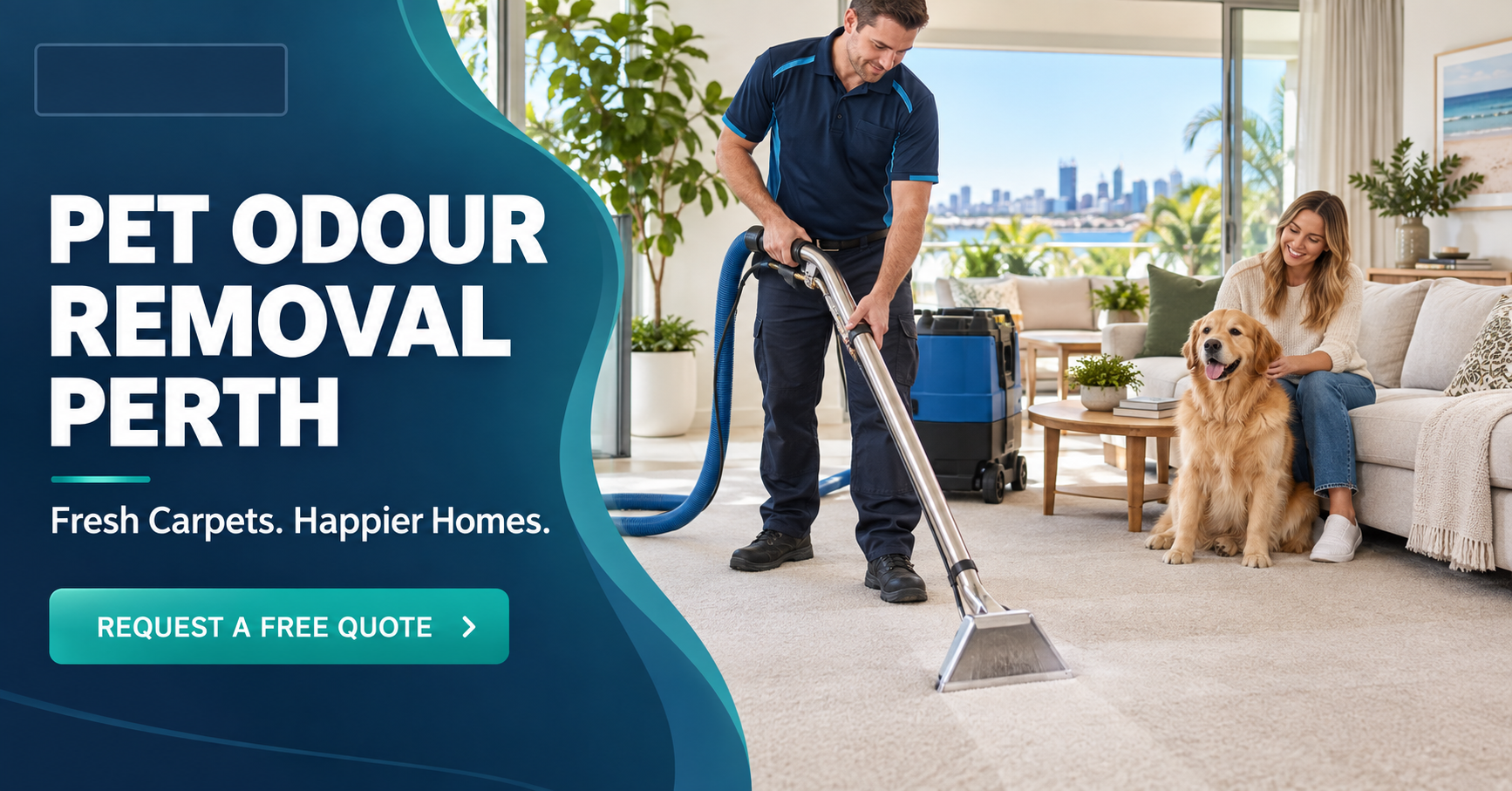
Pets bring happiness and companionship to a home, but accidents can leave strong smells in carpets, rugs, sofas, and other soft surfaces. Standard household cleaning may improve the area for a short time, yet the smell can return when the source has not been fully treated.
Professional pet odour removal targets the affected area rather than simply covering the smell with fragrance. Superfast Carpet Cleaning provides pet odour treatment for homes, rental properties, property-managed buildings, and commercial spaces across Perth.
Why Do Pet Odours Keep Coming Back?
Pet odours may remain when household cleaning removes the visible mark but leaves some of the odour-producing material behind. This is more common with old accidents, repeated pet marking, and large spills.
Fragrance Can Mask Odour Without Removing Its Source
Air fresheners, scented sprays, and carpet powders may cover a smell for a short period. They do not always remove the material causing it.
A better treatment starts by locating the affected areas. The cleaning method can then be chosen based on the surface, age of the accident, and size of the affected area.
Repeated use of scented products can also create a mix of perfume and pet odour. This may make the room smell stronger without solving the problem.
Common Pet Odour Problems We Treat
Different pet accidents need different cleaning methods. The right approach depends on what caused the odour and where the accident happened.
Pet Urine in Carpets and Rugs
Fresh urine should be treated quickly. Blotting can remove some liquid before it spreads across the carpet. Rubbing or scrubbing may push the mess into a larger area and damage the carpet pile.
Older urine marks may be harder to locate because the visible stain can fade while the smell remains. Repeat marking can also create several affected spots around doors, furniture, hallways, or other areas used by the pet.
Rugs need extra care because construction, dyes, and cleaning instructions vary. A method suitable for one rug may not be right for another.
Faeces and Vomit Contamination
Pet faeces and vomit can leave odours, stains, and germs on household surfaces. The Centers for Disease Control and Prevention advises cleaning indoor pet urine, faeces, and vomit promptly, using disposable gloves and washing your hands afterwards.
Remove solid waste carefully without spreading it across the surface. Keep children and pets away from the area during cleaning.
Do not mix household cleaning products. Some product combinations can release harmful fumes or damage carpet and fabric.
Pet Smells in Sofas and Upholstery
Upholstered furniture can hold smells after urine, vomit, pet saliva, wet fur, or repeated pet use. Cleaning only the visible fabric may not always solve the odour.
The furniture should first be checked for its care instructions, surface condition, and the location of the accident. The cleaner can then select a suitable treatment and extraction method.
Pet Stains and General Animal Smells
Not every animal smell comes from one accident. Pet beds, hair, body oils, saliva, damp fur, and repeated use of the same area can create a stale smell.
Carpet cleaning may help when the odour is held in soiling on the carpet. Pet bedding, blankets, washable covers, and nearby hard surfaces may also need attention. Treating every related source gives the room a better chance of staying fresh.
How Professional Pet Odour Removal Works
A professional service should begin with an assessment. Applying a deodoriser without checking the affected area may hide the smell instead of treating it.
1. Inspection and Odour-Source Detection
The cleaner asks where accidents have occurred, how old they may be, and what cleaning products have already been used.
Known accident areas are checked first. Other likely locations may include:
- Doorways and room corners
- Areas beside sofas or beds
- Hallways and pet sleeping areas
- Places where the pet has marked before
- Rugs and furniture used regularly by the pet
Finding all affected spots is useful because treating only one area may leave another source in the room.
2. Targeted Pre-Treatment
A suitable cleaning agent is applied to the affected location. The product and application method depend on the material and type of contamination.
The product must be used according to its label. The US Environmental Protection Agency’s Safer Choice program reviews qualifying cleaning-product ingredients against human-health and environmental requirements. Product directions still need to be followed, even when a product carries a recognised label.
3. Carpet, Rug, or Upholstery Cleaning
The cleaning stage removes loosened soil and treatment residue from the surface. The chosen process may differ between fitted carpet, rugs, and upholstered furniture.
The cleaner should also avoid using more moisture or cleaning product than the material requires. Too much residue may leave the surface sticky and attract soil.
4. Professional Deodorising
Deodorising treatment is used to address the remaining smell after the affected surface has been cleaned. It should support the cleaning process, not replace it.
Results can vary based on:
- The age and size of the accident
- The number of affected areas
- Earlier products used on the surface
- Existing stains or material damage
- The type and condition of the carpet, rug, or furniture
An inspection provides a more honest view of the likely result than a guaranteed claim made before the area is seen.
5. Drying and Final Check
The treated area needs time to dry before normal use. Good airflow may help the process.
Keep pets and children away until the cleaner says the surface is ready. Once dry, the area can be checked again for any remaining stain or smell.
Is Pet Odour Treatment Safe for Pets and Children?
Safety depends on the product, dosage, cleaning method, and how the area is used after treatment. Ask the cleaner which products will be applied and how long people and animals should stay away.
Basic precautions include:
- Follow product-label directions
- Keep pets and children outside the work area
- Do not let pets lick a wet treated surface
- Provide airflow during drying
- Store cleaning products away from animals
- Tell the cleaner about household allergies or sensitivities
- Wait until the area is ready before returning furniture
The CDC’s healthy-pet guidance notes that pets can carry germs even when they appear healthy. Handwashing after cleaning pet waste is especially relevant for homes with young children, older adults, pregnant people, or people with weaker immune systems.
“Pet friendly” should not be treated as permission to ignore the label. Ask what precautions are needed for the specific product used in your property.
DIY Cleaning vs Professional Pet Odour Removal
Small, fresh accidents may be handled at home when you act quickly and follow the surface-care instructions. Older, repeated, or hidden odours may need professional attention.
| Situation | Suggested response |
|---|---|
| Small, fresh accident | Blot promptly and use a surface-suitable product |
| Smell returns after cleaning | Arrange an inspection |
| Several accident areas | Ask for help locating and treating each area |
| Delicate rug or sofa | Use a cleaner experienced with that material |
| Strong or old odour | Ask about professional cleaning and deodorising |
| Faeces or vomit | Wear gloves, remove waste promptly, and wash your hands |
DIY treatment can cause problems when too much water is used, the stain is scrubbed, products are mixed, or a cleaner unsuitable for the material is applied.
Professional cleaning may be the better choice when:
- The smell remains after several home treatments
- You cannot find where the smell is coming from
- A large area is affected
- The accident is old
- A rug or upholstered item needs special care
- The property needs cleaning before an inspection or new tenancy
When Should You Book a Pet Odour Inspection?
Book an assessment when the smell is persistent, widespread, or difficult to locate.
Common warning signs include:
- The odour returns soon after household cleaning
- The pet repeatedly visits or marks the same place
- Several rooms or surfaces may be affected
- Carpet powder or air freshener no longer hides the smell
- A sofa or rug still smells after surface cleaning
- You are preparing a rental property for its next occupant
- Customers or staff can notice an animal smell in a workplace
A prompt assessment can also reduce repeated DIY treatments that may leave residue or change the appearance of the surface.
Pet Odour Removal for Perth Properties
Pet odour problems can occur in family homes, rental properties, offices, and other pet-friendly premises. Each property needs a cleaning plan based on its surfaces, use, and affected areas.
Homes and Rental Properties
Homeowners and tenants may need help after a new pet, toilet-training accidents, illness, or repeated marking. Landlords and property managers may discover odours during a final inspection or between tenancies.
Useful details to share when requesting a quote include:
- Property suburb
- Type of pet
- Affected rooms and surfaces
- Approximate age of the accident
- Previous cleaning products used
- Access, parking, or building-entry details
Offices and Commercial Premises
Pet odours can also affect pet-friendly offices, waiting rooms, short-stay accommodation, and other commercial spaces. Service planning may need to account for business hours, customer access, furniture, and drying time.
A site inspection can help identify the work needed and provide a clearer quote.
How to Reduce Repeat Pet Odours
A few simple habits can reduce stains and smells between professional visits:
- Attend to new accidents as soon as possible.
- Blot liquid gently with a clean, absorbent cloth.
- Work from the outside of the spot towards the centre.
- Follow carpet, rug, or furniture care instructions.
- Keep pet bedding and washable covers clean.
- Vacuum areas where pets rest.
- Avoid using steam or heat on an unknown stain.
- Never mix bleach, ammonia, or other cleaning products.
- Keep pets away from the area during treatment.
- Wait for the cleaned surface to dry before normal use.
A sudden change in toilet habits may relate to stress, training, age, or a health issue. Speak with a veterinarian when accidents begin suddenly, happen often, or are joined by symptoms such as pain, blood in urine, vomiting, low energy, or difficulty urinating.
Why Choose Superfast Carpet Cleaning?
Superfast Carpet Cleaning provides professional pet odour removal across the Perth region for residential and commercial properties.
Customers can request help with:
- Pet urine odours
- Faeces and vomit contamination
- Carpet and rug smells
- Sofa and upholstery odours
- Pet stain treatment
- Professional cleaning and deodorising
The service begins by reviewing the affected areas and the type of surface involved. This supports a treatment plan suited to the property rather than a one-product approach.
Request a Free Pet Odour Removal Quote in Perth
Persistent pet smells can make a clean property feel unpleasant. Treating the affected area can provide a better result than repeatedly applying fragrance or carpet powder.
Contact Superfast Carpet Cleaning for a free pet odour removal quote in Perth. When contacting the team, share the affected surface, type of accident, age of the stain, number of rooms, and your suburb.
Frequently Asked Questions
1. Can professional cleaning remove old pet urine smells?
Professional treatment may reduce or remove an old urine smell, but the result depends on the age, size, location, surface condition, and earlier cleaning attempts. A cleaner should inspect the area before promising a result.
2. Why does pet urine smell return after carpet cleaning?
The smell may return when some of the contamination was missed, the wrong product was used, or another affected area remains nearby. A full inspection can help locate each likely source.
3. Is pet odour treatment safe around children and animals?
It can be carried out with safety controls, but people must follow the cleaning product’s label and the technician’s instructions. Keep pets and children away from wet treated areas until they are ready for use. The EPA Safer Choice Standard explains how qualifying product ingredients are reviewed for human-health and environmental characteristics.
4. What should I do immediately after a pet accident?
Remove solid waste carefully or blot liquid with a clean cloth. Wear disposable gloves when handling urine, faeces, or vomit, and wash your hands afterwards. Do not scrub the spot or mix cleaning products. These hygiene steps align with CDC advice for cleaning household pet messes.
5. How much does pet odour removal cost in Perth?
The price depends on the affected surface, number of areas, type and age of the contamination, property access, and cleaning work required. Superfast Carpet Cleaning can provide a free quote after receiving the property details or inspecting the affected areas.
SEO Meta Title
Pet Odour Removal Perth | Local Service & Free Quote
SEO Meta Description
Remove pet smells from carpets, rugs and upholstery with local Perth service. Contact Superfast Carpet Cleaning today for a free, tailored quote.

